What the Fort Worth, TX Apartment Market Looks Like Right Now
Why Fort Worth, TX Needs a Market-Specific Approach
Fort Worth is growing faster than almost any large city in the country, adding roughly 19,500 residents in a single year and crossing one million residents in 2025. That kind of population growth would normally translate directly into pricing power for apartment owners. Instead, Dallas-Fort Worth's builders responded to years of strong demand with an enormous supply wave, and vacancy across the metro climbed to 12.2% in early 2026 as new units delivered faster than renters could absorb them. The result is a market where genuine, durable demand exists, but a property has to work harder and market smarter to capture its share of it. Zoom out to the metro level and the trend is even more striking. Dallas-Fort Worth's population reached roughly 8.48 million in 2025, making it the fourth-largest metro in the country, and it has grown by about 11% since 2020, adding more than 123,000 residents in the past year alone, or roughly 339 people a day. Fort Worth is capturing an outsized share of that growth, and downtown submarkets like Downtown Fort Worth itself, which posted a 14% year-end vacancy rate in 2025 amid a 4% supply increase, show exactly why marketing execution now matters more than population growth alone.
The demand side of Fort Worth's story is real and diversified. Lockheed Martin's F-35 production line at Air Force Plant 4 is one of the largest employers in the metro, with a workforce numbering in the tens of thousands, and it sits next to Naval Air Station Fort Worth Joint Reserve Base, a steady source of military and contractor renters. American Airlines and BNSF Railway both run their corporate headquarters out of Fort Worth, Texas Christian University anchors a stable student and university-adjacent rental pool, and the city's visitor economy has grown to nearly 12 million visits a year, supporting more than 30,000 hospitality jobs, driven by draws like the historic Stockyards, Dickies Arena, and the Fort Worth Zoo. That's a renter base spanning defense, aviation, logistics, healthcare, and hospitality, not one dependent on a single employer.
What separates the properties that stabilize occupancy from the ones that don't in this environment is speed and precision, not amenities. With concessions now common across newer Class A buildings, some offering six to ten weeks of free rent, a property competing purely on price is racing to the bottom. The construction pipeline is already contracting sharply toward a decade low, which means the current oversupply is a temporary window, not a permanent condition. Owners who market aggressively and convert leads efficiently through this stretch will be positioned to hold pricing power once deliveries slow further in 2027 and beyond.
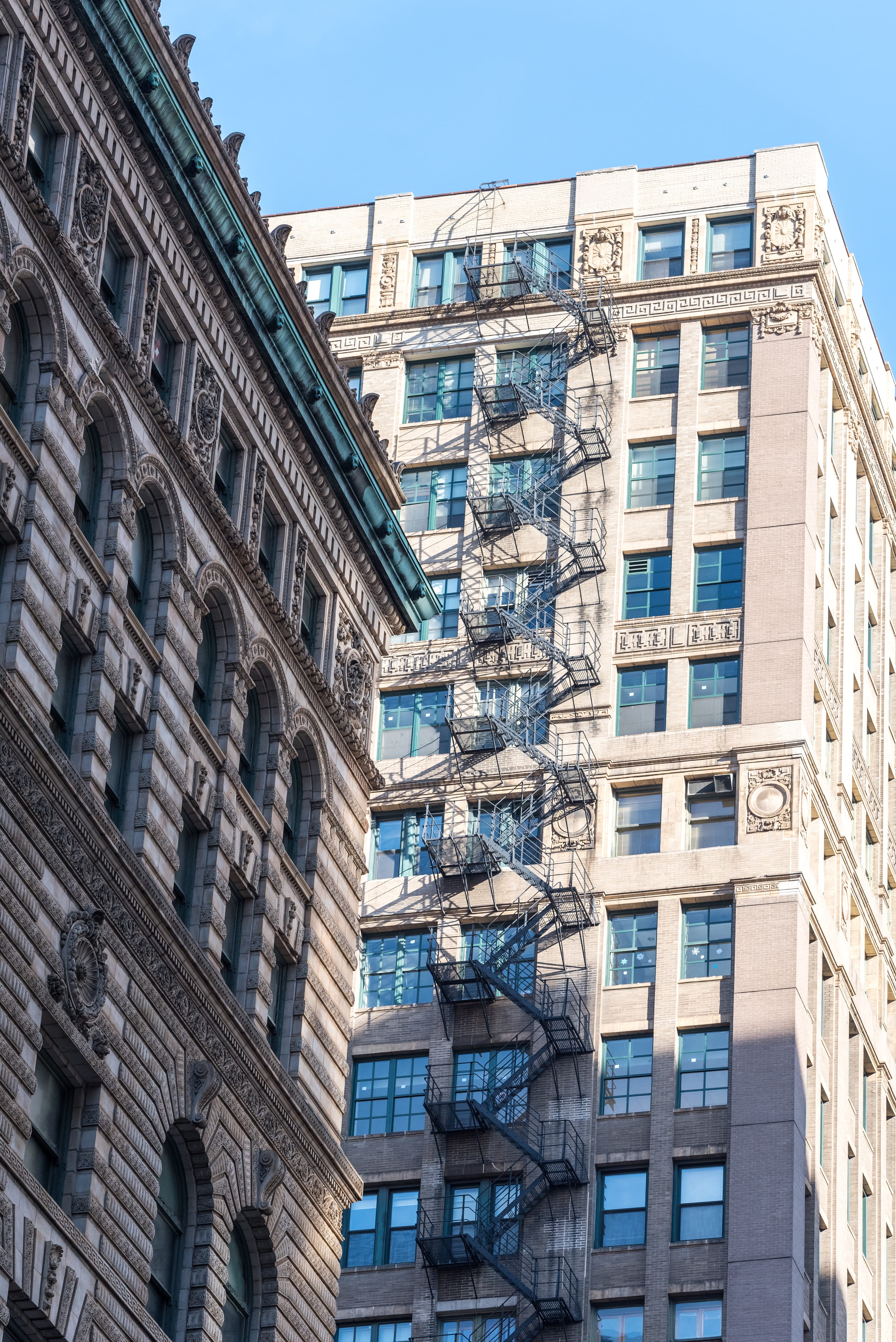
From Vacant to Stabilized
Property Positioning
We position your Fort Worth community against its real competitive set, whether that's newer Class A supply in Downtown Fort Worth and North Fort Worth or established stock in neighborhoods like the Near Southside, TCU-area, or Cultural District, and build messaging around what genuinely sets you apart in a market full of concession-driven competitors.
Local Traffic Generation
We target renters searching near Fort Worth's real demand centers, Lockheed Martin's Air Force Plant 4, Naval Air Station Fort Worth JRB, American Airlines and BNSF headquarters, and Texas Christian University, so your property shows up in front of the commute-driven and relocation-driven searches actually happening in the metro.
Digital Leasing Acceleration
We run paid and organic leasing campaigns built for a renter's market, sharpening concession messaging, syndicating listings across the platforms DFW renters compare side by side, and routing every inquiry into a fast-response system in a metro where the average listing competes against dozens of others within a few miles.
Conversion Optimization
We track tour-to-lease conversion by floor plan and submarket, benchmark your concessions against what North Fort Worth and Downtown competitors are actually offering, and adjust spend continuously so your leasing budget goes toward what's converting, not what looked strong in the original media plan.
The Same Infrastructure, Built Around This Market
Listing syndication and optimization across Zillow, Apartments.com, and the platforms Fort Worth renters use to comparison shop concessions.
Paid search and social campaigns geo-targeted around Lockheed Martin, NAS Fort Worth JRB, American Airlines, BNSF, and TCU commute corridors.
Concession strategy and messaging built to compete against the 6 to 10 weeks of free rent common across new DFW Class A supply.
Lead routing and fast-response follow-up systems designed for a market where renters are actively comparing multiple listings at once.
Built for This Specific Market
Built for a Renter's Market, Not a Landlord's Market: With DFW vacancy at 12.2% and concessions widespread, we build campaigns that compete on positioning and speed, not just price, so your property doesn't get stuck in a discounting race it can't win.
Targeting Anchored in Fort Worth's Real Employers: From Lockheed Martin's F-35 line to American Airlines, BNSF, and TCU, our local targeting follows the commute patterns actually driving Fort Worth's rental demand instead of generic Dallas-Fort Worth-wide targeting.
Positioned for the Supply Cycle to Turn: DFW's construction pipeline has fallen to a decade low. We help you build occupancy and rent roll strength now so your property is positioned to hold pricing power as deliveries slow further.
Reporting Tied to Leases Signed, Not Just Leads Generated: You see cost per tour and cost per signed lease, submarket by submarket, so every dollar of marketing spend is accountable to occupancy movement, not disconnected click and impression counts.
Also Active Across the Fort Worth, TX Metro
Leasing in Fort Worth, TX? Start Here.
Share your property details and we'll reach out within one business day with a realistic path to target occupancy. No cost, no obligation.