What the Milwaukee, WI Apartment Market Looks Like Right Now
Why Milwaukee, WI Needs a Market-Specific Approach
Milwaukee's multifamily market is tightening from two directions at once. New construction is falling fast, with 2025 deliveries down roughly 40% from 2024 to their lowest level since 2015, and several submarkets, including downtown, Brown Deer-Whitefish Bay, and Washington and Ozaukee counties, expected to see effectively no new completions in 2026. Waukesha County, which absorbed a record wave of deliveries in 2025, is projected to see roughly an 80% drop in new completions the following year. At the same time, rent growth has stayed positive, with average asking rents continuing to climb year over year even as national rent growth has cooled.
That supply pullback is colliding with real employment momentum downtown. Northwestern Mutual's roughly $500 million campus redevelopment is set to bring more than 2,000 employees back into the urban core from the suburbs by early 2027, and Fiserv relocated its global headquarters into downtown's HUB640 tower, consolidating hundreds of high-paying roles into the city center. Add in Rockwell Automation, GE Healthcare, Froedtert Health, and the Medical College of Wisconsin, along with Marquette University and the University of Wisconsin-Milwaukee anchoring their own renter pools, and Milwaukee has an unusually deep base of large, stable employers and institutions anchoring rental demand near downtown, the Third Ward, and the surrounding submarkets.
For property owners, that means the properties positioned to capture returning downtown workers, healthcare staff, and university-affiliated renters right now stand to benefit most as the supply pipeline thins out. Marketing built for last year's looser market won't be enough. The properties that win leases in this next phase will be the ones that connect with Milwaukee's tightening renter pool, whether that's a Fiserv employee relocating downtown, a Froedtert nurse, or a Marquette graduate student, before the competition catches up.
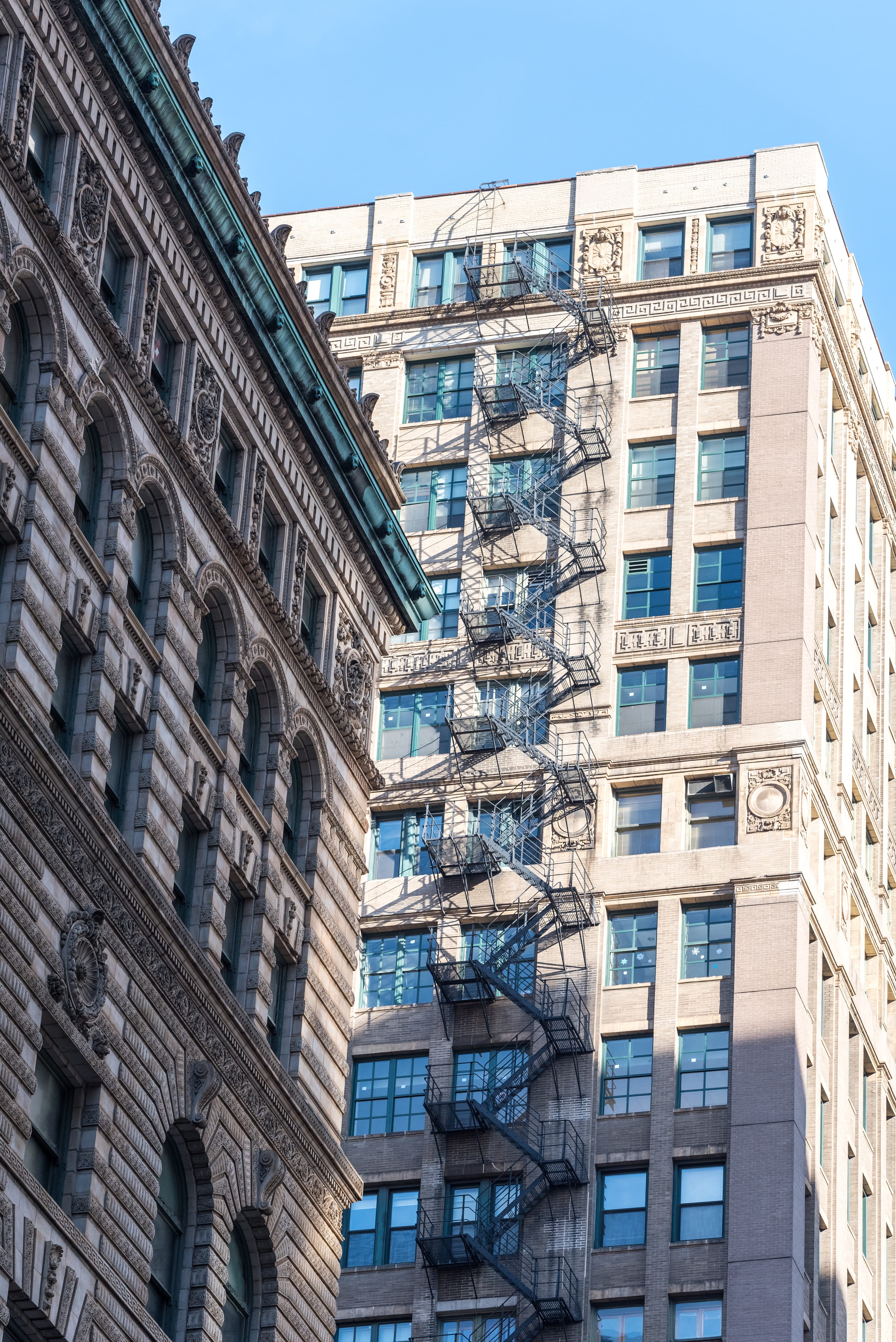
From Vacant to Stabilized
Property Positioning
We evaluate where a property sits relative to Milwaukee's shifting supply map, whether it's competing against the last wave of Waukesha County deliveries or positioned to capture demand from downtown's growing employer base, then build pricing and messaging around that specific position, factoring in proximity to the Third Ward, the lakefront, and major employer campuses.
Local Traffic Generation
We run geo-targeted search and social campaigns built around the renter searches actually happening in Milwaukee, from downtown professionals tied to Northwestern Mutual and Fiserv to healthcare staff near Froedtert Hospital and the Medical College of Wisconsin, and university-affiliated renters around Marquette and UW-Milwaukee, plus commuters using the Hiawatha rail line to Chicago.
Digital Leasing Acceleration
As new supply slows and competition for well-located units increases, we build automated response workflows so inquiries get a fast, personal reply, not a delayed form email, keeping properties competitive against every other building a prospect is touring that week, with follow-up sequences that keep interested renters engaged through decision day.
Conversion Optimization
We continuously test pricing presentation, floor plan visibility, and application steps against real conversion data, so the property captures a higher share of the traffic it's already generating instead of leaving qualified leads to go cold, adjusting as Milwaukee's supply and demand balance keeps shifting.
The Same Infrastructure, Built Around This Market
Paid search and social campaigns targeted to Milwaukee's downtown, near-suburb, and outer-metro submarkets, tuned to each area's renter profile.
Listing syndication and ILS management across the platforms Milwaukee renters use to compare properties before ever contacting a leasing office.
Automated lead response and CRM workflows built to keep pace with a tightening rental market, so no inquiry sits unanswered overnight.
Ongoing performance reporting on cost per lease, tour-to-lease conversion, and submarket competitive positioning, reviewed on a regular cadence with property teams.
Built for This Specific Market
Timed to Milwaukee's supply slowdown: With new deliveries falling roughly 40% from 2024 and several submarkets seeing almost no new completions, the properties that position themselves now are best placed to capture renters as available inventory tightens through 2026 and 2027, ahead of competitors who wait until the market turns.
Built around Milwaukee's employer base: From Northwestern Mutual's downtown campus consolidation to Fiserv's new HUB640 headquarters and the healthcare and university employers clustered around the near west side, we build campaigns around the specific commuter patterns and renter profiles those institutions create, not generic national leasing calendars.
Submarket-specific, not metro-wide: A downtown Milwaukee high-rise and a Waukesha County garden-style community compete for entirely different renters. We build the positioning and channel mix around each property's actual competitive set, from the Third Ward to Bay View to the outer suburbs, rather than running the same campaign everywhere and hoping something sticks.
Transparent, lease-level reporting: Every campaign is tracked to cost per lease and tour-to-lease conversion, so property owners see exactly what's driving results across each submarket rather than relying on impressions or click volume, and can shift budget toward what's actually filling units.
Also Active Across the Milwaukee, WI Metro
Leasing in Milwaukee, WI? Start Here.
Share your property details and we'll reach out within one business day with a realistic path to target occupancy. No cost, no obligation.