What the New York, NY Apartment Market Looks Like Right Now
Why New York, NY Needs a Market-Specific Approach
New York's rental vacancy rate has hovered near 1.4% based on the city's most recent Housing and Vacancy Survey, a level low enough that many owners assume units simply rent themselves. That assumption is more dangerous now than it has been in decades. The city added 38,682 new apartments in 2025, its strongest delivery year in six decades, and roughly 43,000 more units are under construction across Brooklyn, Queens, and Manhattan right now, with Brooklyn and Queens together accounting for the majority of new completions since 2024. Scarcity citywide does not mean scarcity building by building. When a new lease-up opens two blocks away with a concession package and a slicker digital presence, your vacant units sit longer no matter what the borough-wide number says, and every extra week of vacancy compounds against a budget built on a tight-market assumption.
Demand fundamentals remain genuinely strong. Total city employment has climbed to nearly 4.9 million jobs, a record, with healthcare and social assistance alone adding more than 230,000 positions since 2020 and finance, insurance, and information firms adding tens of thousands more. The city's dense concentration of universities and graduate programs, along with a large base of hospital systems and research institutions, adds a steady stream of renters who need housing on a predictable academic or employment calendar. International in-migration continues to offset the net domestic outflow to other states, and with homeownership priced well out of reach for most renters given the city's sale prices and mortgage rates, the rental pool keeps refilling itself. That demand has to be captured, though. It does not walk through the door on its own, especially once a prospective renter is comparing five nearly identical listings on StreetEasy within the same ten-minute walk.
New York leasing is also its own discipline. Fair housing and source-of-income rules, rent-stabilized and market-rate unit mixes inside the same building, broker co-op culture, and submarket personalities that shift block by block between Manhattan, Brooklyn, Queens, and the Bronx all change what actually converts a click into a signed lease. A campaign built for a Bushwick walk-up needs different messaging, imagery, and channels than one built for a Long Island City high-rise with amenity space to sell, and a listing near a major hospital or university corridor needs to speak to a different move-in timeline than one aimed at year-round market renters. Treating New York as one market instead of a dozen overlapping ones is the single most common reason otherwise well-located buildings underperform.
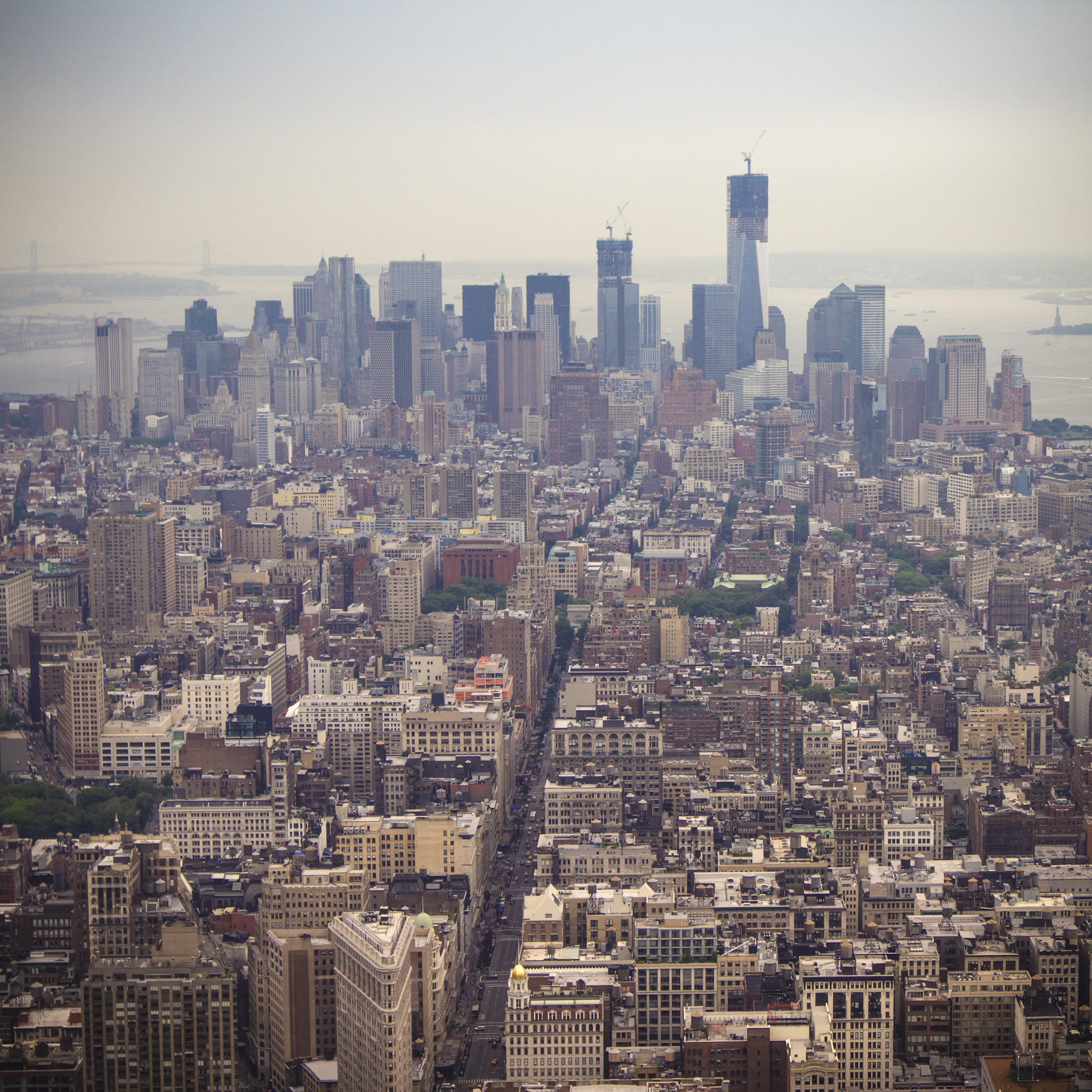
From Vacant to Stabilized
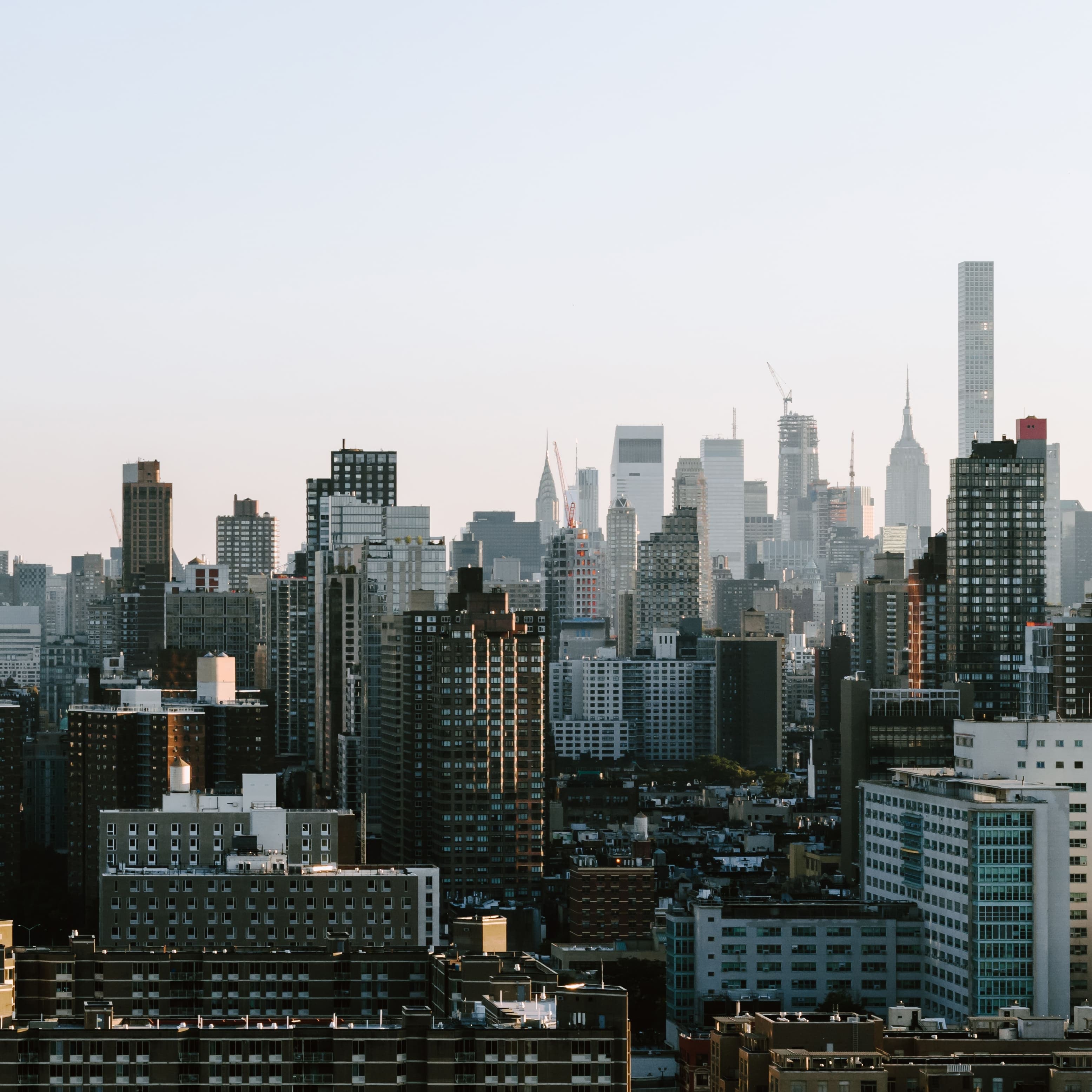
Property Positioning
We audit unit mix, amenities, comparable buildings within the same submarket, and current StreetEasy and Zillow presence to define a pricing and messaging strategy that fits the specific neighborhood, not a citywide average.
Local Traffic Generation
We build hyper-local digital campaigns, geo-targeted paid social, and search visibility around the building's exact submarket, plus broker outreach and co-op coordination, so the right renters in that neighborhood see the listing first.
Digital Leasing Acceleration
We manage syndication across StreetEasy, Zillow, and Apartments.com, keep listings current the moment a unit turns, and run scheduling and follow-up systems so inquiries convert to booked tours within hours, not days.
Conversion Optimization
We track tour-to-application and application-to-lease rates by unit and floor plan, then adjust pricing, photography, and messaging in real time so vacant days trend down every month, not just at renewal season.
The Same Infrastructure, Built Around This Market
Full listing management and syndication across StreetEasy, Zillow, Apartments.com, and broker networks, kept current the moment a unit is available or a price changes, so no channel is ever showing stale availability.
Neighborhood-specific paid social and search campaigns that target renters actively searching within a building's exact submarket and commute radius, rather than a generic borough-wide audience.
Professional photography, floor plans, and virtual tour coordination that match how New York renters actually shop online before ever requesting a showing, since most applicants narrow their list digitally first.
Lead response, tour scheduling, and follow-up systems built to keep pace with a market where the average listing gets multiple inquiries within its first day, so interested renters never wait long enough to look elsewhere.
Built for This Specific Market
Submarket-Level Strategy: We do not run one citywide campaign. Bushwick, Long Island City, and the Upper West Side each get their own pricing logic, imagery, and channel mix because that is how renters actually compare buildings, block by block rather than borough by borough.
Speed Built for a Fast Market: With citywide vacancy near historic lows and listings turning over in days, our lead response and tour scheduling systems are built to convert inquiries before a renter moves on to the next listing, not sometime later in the week.
Fluent in NYC Leasing Rules: We build campaigns that work within fair housing and source-of-income requirements and understand how rent-stabilized and market-rate units inside the same building need to be marketed differently, so compliance and conversion are never in tension.
Built for the Coming Supply Wave: With roughly 43,000 units under construction across the boroughs and 2025 already the strongest delivery year in six decades, competition for renters is only getting sharper. We position buildings now so they lease ahead of, not behind, the next wave of deliveries.
Also Active Across the New York, NY Metro
Leasing in New York, NY? Start Here.
Share your property details and we'll reach out within one business day with a realistic path to target occupancy. No cost, no obligation.