What the San Jose, CA Apartment Market Looks Like Right Now
Why San Jose, CA Needs a Market-Specific Approach
San Jose looks like an owner's market on paper. Vacancy has sat near 3 to 4 percent for two years running, and in early 2026 roughly nine renters were competing for every available unit across Silicon Valley. But tight vacancy does not mean easy leasing. It means renters have dozens of comparable listings to scroll through on their phones before they ever call a leasing office, and the first property that responds fast, prices right, and looks better online usually wins the lease. In a market this competitive, owners who market reactively lose renters to owners who market on purpose.
The demand behind those numbers is concentrated and durable. San Jose sits at the center of a job market anchored by Google, Apple, Cisco, Adobe, Nvidia, Intel, and dozens of other employers paying six figure salaries, with average tech pay in the metro running near $140,000 and senior roles well above $200,000. Hiring in AI, cybersecurity, and climate tech has continued even as home prices push most of that workforce toward renting rather than buying, since ownership in San Jose sits well out of reach for most single earners on a tech salary. Land is scarce, entitlement timelines for new apartment projects run 18 to 24 months in San Jose, and the delivery pipeline is expected to stay thin into 2027 and 2028. That combination, high wage demand and a supply line that can't catch up, is why San Jose rents keep climbing even as national rent growth cools.
None of that removes the cost of a vacant unit. At an average asking rent above $3,190 a month, every week a San Jose unit sits empty is real money, and performance varies sharply by submarket. Mountain View, Palo Alto, Los Altos, and North Sunnyvale were posting near 3 percent vacancy and rent growth above 6 percent in late 2025, while East and South San Jose, where household incomes run lower, saw rent growth under 2 percent over the same period. A generic listing strategy treats those two markets the same. We don't.
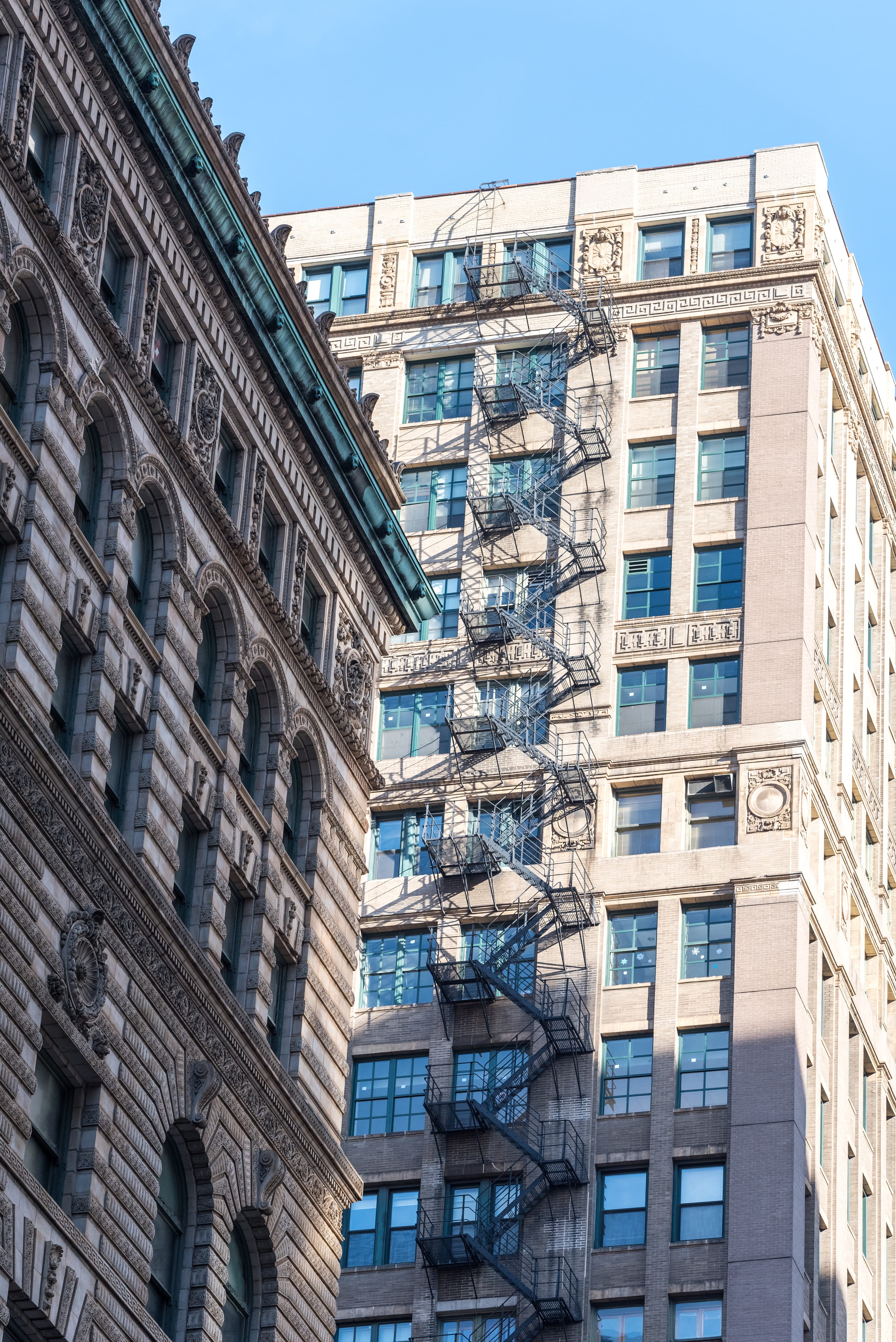
From Vacant to Stabilized
Property Positioning
We audit the unit against real comps in its specific San Jose submarket, downtown high rise, North San Jose tech corridor, or East and South San Jose, and set pricing and messaging that reflects what that submarket is actually willing to pay, not a citywide average.
Local Traffic Generation
We run geo-targeted digital campaigns around the commute corridors and campuses driving local rental demand, including North San Jose, Santana Row, downtown, and the Caltrain and VTA light rail lines renters actually use to get to work.
Digital Leasing Acceleration
Listings go live across every major platform renters check, including Zillow, Apartments.com, and social channels, with fast loading photography and virtual tour access, because in a market where renters compare a dozen near identical units in one sitting, the listing that loads slow or looks thin gets skipped.
Conversion Optimization
We track every inquiry from first click to signed lease, tighten response time so leads don't go cold, and adjust pricing and messaging in real time based on which units are converting and which are sitting.
The Same Infrastructure, Built Around This Market
Multi-platform listing syndication across Zillow, Apartments.com, Craigslist, and social channels, kept current as pricing and availability shift.
Photography and virtual tour coordination that gives San Jose renters, who are used to comparing units on their phones, a real look before they ever schedule a tour.
Lead response and inquiry management with fast follow-up, because in a nine-renters-per-unit market, the first responsive property usually books the tour.
Geo-targeted digital advertising built around Silicon Valley's job centers and commute corridors, from North San Jose to Santana Row to downtown.
Built for This Specific Market
Submarket-Level Pricing: San Jose isn't one market, it's a dozen. We price and position each property against the comps in its actual submarket, not a citywide average that misses the gap between Mountain View-adjacent demand and East San Jose demand.
Built for a Fast-Moving Renter: Silicon Valley renters make decisions in hours, not weeks. Our listing, response, and follow-up systems are built around that pace, not a leasing process designed for slower markets.
Tech-Corridor Targeting: Our digital campaigns target renters where they actually work, near the campuses and commute lines that drive San Jose's rental demand, instead of running generic geo-targeting across the whole metro.
No Guesswork on Vacancy Cost: At San Jose's rent levels, a slow lease-up is expensive, easily several thousand dollars a month in lost rent per unit. We track time-to-lease and cost-per-lease on every unit so owners know exactly what marketing is producing, not just that a unit eventually filled, and can see which submarkets and price points are paying back fastest.
Also Active Across the San Jose, CA Metro
Leasing in San Jose, CA? Start Here.
Share your property details and we'll reach out within one business day with a realistic path to target occupancy. No cost, no obligation.