What the Dallas, TX Multifamily Market Looks Like Right Now
Why Dallas, TX Needs a Market-Specific Approach
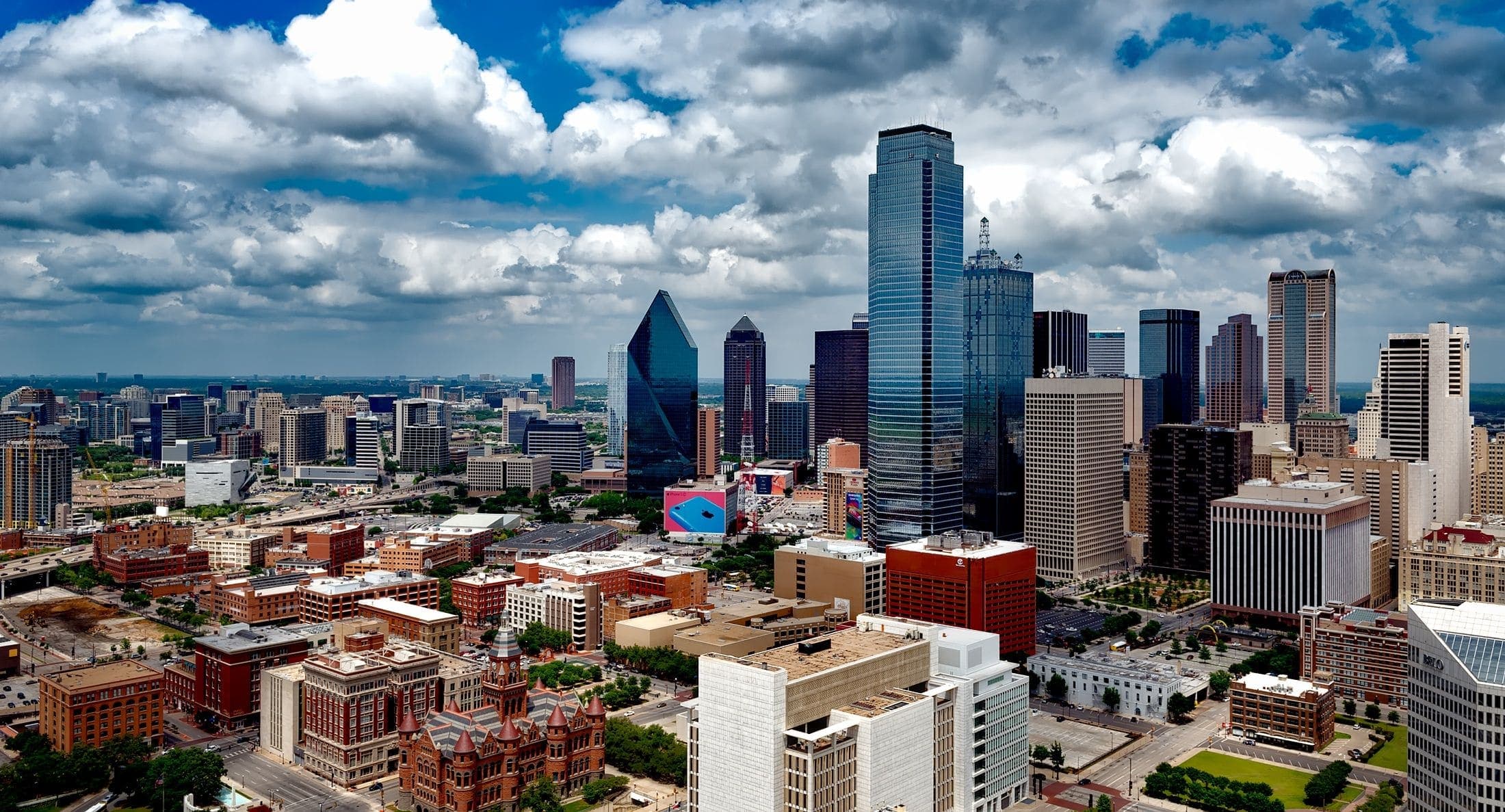
Dallas-Fort Worth is not a market where a single metro-wide number tells the story. Vacancy sits at roughly 12.2%, close to the highest point of the current cycle, while net absorption of about 5,100 units trailed deliveries of 7,300 in the first quarter of 2026 alone. But that same quarter, Class A rents posted their fifth consecutive quarter of year-over-year growth, closing at 3.2%, while the broader market average stayed negative. That gap between classes is exactly the kind of nuance a syndication's marketing has to carry accurately, not average away, if it's going to hold up with accredited investors comparing this deal against others.
The demand side of the equation is still intact. DFW's diversified job base, corporate relocations, financial services, logistics, and technology among the biggest contributors, keeps absorbing units even in a period of elevated vacancy. At the same time, construction starts have fallen sharply, with roughly 30,200 units currently underway and 2026 deliveries on pace to come in at less than half of 2025's total. A sponsor raising today is underwriting into a market where the supply pressure that created today's vacancy is already easing, not one where oversupply is a permanent feature.
Texas state law also preempts local rent control, a different regulatory backdrop than syndicators may be used to underwriting in coastal gateway markets. That is worth stating plainly in investor materials rather than assuming a national investor audience already knows it, since an accredited investor comparing a Dallas deal against a rent-controlled market elsewhere is running a meaningfully different risk calculation.
From Submission to Fully Subscribed
Submission & Verification
We run a full review of the deal against current DFW submarket data, including where the asset's class and location sit relative to the metro's vacancy and absorption trends, before any materials go out.
Funnel Build
A bespoke 506(c) funnel and investor materials built around this specific point in the Dallas-Fort Worth cycle, accounting for whether the asset behaves more like the recovering Class A segment or the still-absorbing Class B and C stock.
Investor Outreach
Targeted campaigns to accredited investors across LinkedIn, Meta, and our internal database. Creative and copy are built around the current DFW data rather than reused from a different market's campaign.
Nurture & Handoff
Warm leads move through our nurture sequence, then hand off to your team for the final conversation and close. We track which submarket-specific materials each investor engaged with, so your team walks into that conversation already knowing what they responded to.
The Same Infrastructure, Built Around This Market
Asset due diligence against current Dallas-Fort Worth submarket supply and absorption data, not last cycle's comps, so the diligence reflects where the market actually stands today.
Custom 506(c) funnel architecture built for how this specific deal fits the DFW cycle, including whether it behaves like the recovering Class A segment or the still-absorbing broader market.
Accredited-investor outreach across LinkedIn, Meta, and our internal database, with creative built around this metro's current data rather than reused copy.
Positioning and messaging that acknowledges the metro's vacancy and absorption picture instead of ignoring it, since sophisticated investors will notice the difference either way.
Built for This Specific Market
Submarket-level diligence: We track Dallas-Fort Worth at the submarket level, not just metro-wide averages, because that's where the real difference between deals shows up right now. A Class A asset in a supply-constrained node can be underwriting a very different story than a Class B property in a still-absorbing corridor.
Cycle-aware positioning: Materials that acknowledge where DFW sits in its supply cycle instead of pitching it like deliveries never slowed. Investors doing their own diligence will find the same market reports we did, so materials that ignore the vacancy picture read as out of touch rather than confident.
Compliant by design: 506(c) outreach built alongside your legal counsel from day one, not bolted on after the fact. That matters more in a market this closely watched by institutional capital, where scrutiny on marketing claims is higher.
Flat fee, not a cut of the raise: We charge a flat fee for our services rather than a percentage of the capital raised, the same structure used across every market we operate in, so your equity and fee structure stay intact while we handle the marketing infrastructure.
Also Active Across the Dallas, TX Metro
Raising in Dallas, TX? Start Here.
Share your project details and we'll reach out within one business day to see if it's a fit. No cost, no obligation.